
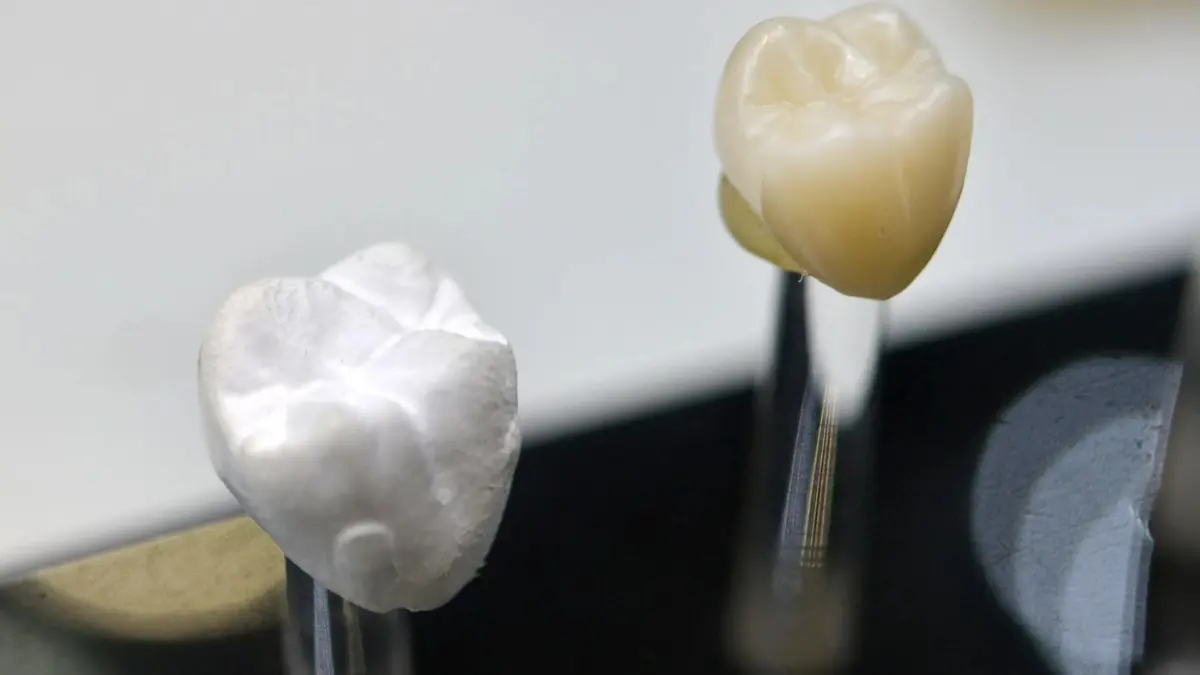
When Do You Need a Dental Crown and How Long Does It Last?
Imagine slipping a tiny shield over a worn-down tooth - that's what a crown does, hiding damage while restoring strength. Though tooth enamel ranks toughest in the body, it still chips under pressure. Come 2026, artificial caps mimic real teeth so closely even experts pause to check. Since each case differs - cracks, decay, heavy fillings - the right fit depends on unique needs. Knowing when one becomes necessary guides smarter choices down the road.
Common Reasons for a Dental Crown
When a tooth suffers major damage, a filling might not hold it together well enough - that is when dentists usually suggest a crown. Often, big decay weakens the tooth so much that its strength drops sharply. Following root canal work, these restorations come into play because removing the inner tissue leaves the tooth fragile. They guard cracked teeth where splits go deep, wrap over artificial roots placed in the jawbone, even hide severe stains or odd shapes. Instead of just patching up a spot, they cover the whole surface like armor. Chewing forces press hard each day; the cap takes the hit instead of the weakened structure underneath.
The Process You Can Expect
A single visit won’t finish the crown procedure - two trips are needed. At the start, the dentist shapes the tooth, stripping away a sliver of outer layer so the cap aligns right. Next comes either an imprint or a digital capture, building a true-to-life copy. The custom fit piece gets made off-site while you wear a short-term cover. That placeholder guards the reshaped tooth until the real one arrives. Cementing the permanent crown happens only after checking its fit and shade during the second appointment. Some offices skip the wait using digital tools that shape crowns on site, finishing everything in one trip.
How Overall Health Affects Mouth Balance
A dry mouth might signal deeper imbalances within the body. When fluids aren’t properly balanced, saliva flow drops - this shift often comes from kidney activity adjusting mineral levels. Without enough moisture, plaque builds faster near the edge of a crown. In some cases, especially among younger people or individuals managing long-term conditions, talking with a specialist in childhood urinary health helps clarify what’s happening inside. How well teeth restorations last ties closely to how smoothly bodily systems work together. Stability begins internally.
Handling Sensitive Skin and Physical Discomfort
Crowns rely on substances like porcelain, ceramic, or metal mixes meant to work safely inside the body. Still, after placement, a few people notice brief discomfort near the gums or nearby tissue. Mouthwashes with antiseptic properties or numbing gels applied before shaping the tooth might lead to slight redness now and then. When past issues involve strong skin reactions or allergies linked to dental supplies, getting advice from a doctor focused on children’s skin conditions may point toward better choices. Keeping gum and skin areas in good shape reduces chances of swelling that might weaken how well the crown holds up over time.
How Long Do Dental Crowns Last?
A typical dental crown, when properly cared for, lasts around ten to fifteen years. High grade versions - crafted from resilient substances such as zirconia or gold - may survive indefinitely if looked after with great attention. How long yours holds up ties closely to how you clean your mouth and what kind of stress it faces daily. Clenching at night, crunching hard ice, or prying things open with teeth tends to weaken the structure much faster. Dentist visits every few months help catch small issues near the edges before they grow worse.
Maintaining Your Crown for Longevity
Looking after a crown feels much like looking after your own teeth. Each morning and evening, use fluoride toothpaste when brushing - this one habit matters most. Floss every single day; skipping isn’t an option. Pay close attention near the gum line, since that spot traps gunk easily. Left alone, buildup might spark sore gums or hidden rot under the cap. People who clench their jaw while sleeping often get fitted for a special mouth shield. That little piece eases stress on the crown during restless hours. Handle it just like real enamel and it’ll stick around, doing its job quietly through seasons of smiles.
Conclusion
One reason teeth get crowns is when they’re too weak to survive on their own. Instead of losing it completely, the tooth gets covered so it keeps working like normal. Some people need extra care if certain materials cause reactions - talking things through with your provider helps. When body chemistry matters, small choices make big differences over time. Cleaning around the crown every day makes it last longer than expected. Most forget how much biting and chewing affects the fix - but daily habits shape results more than anyone says. A wobbly feeling or odd look in one spot? That's often the moment help should start. Waiting rarely improves anything, especially once pain shows up. The next step isn’t urgent for everyone, yet timing shifts everything quietly.