
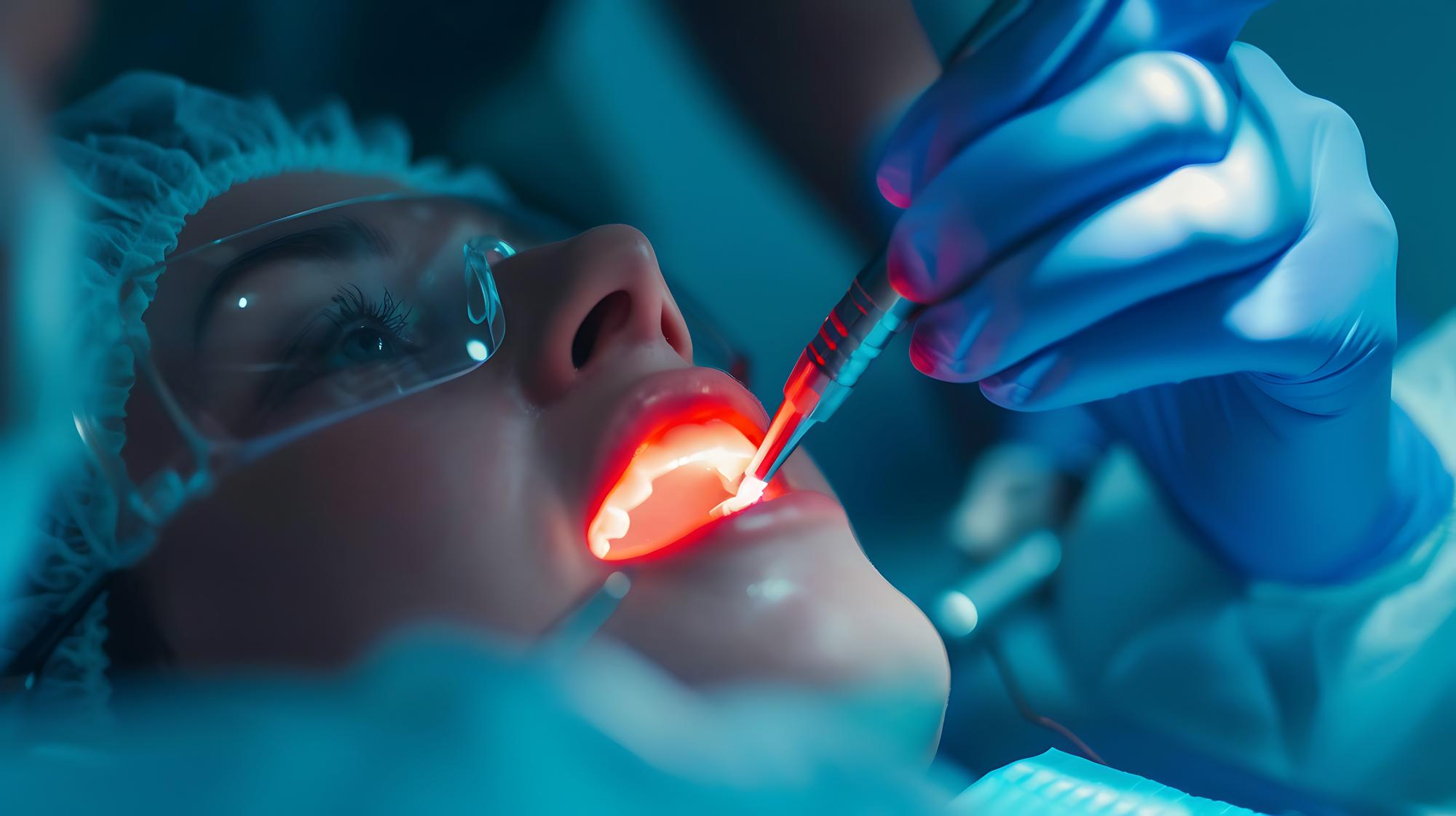
What Is Periodontal Laser Surgery and How It Works
Brushing brings blood far more frequently than anyone likes to admit. Swollen gums tend to arrive with that silence. Tenderness lingers near the molars, quiet but present. Breath turns sour even after morning and night routines. Often, these signs disappear beneath daily distractions.
"Maybe the brush is too hard."
"Probably nothing serious."
Then a dentist mentions something unexpected.
Periodontal laser surgery.
Surprisingly few realize how just saying surgery can shift the mood in a room. Add laser to it, somehow the concern grows, regardless of what the treatment actually involves.
Still, things usually feel clearer once the bigger picture comes into view.
Understanding what periodontal means first tends to make the laser part easier to follow.
What Does Periodontal Mean?
Complicated though it sounds, the term itself is fairly simple.
Periodontal refers to the tissues surrounding the teeth — mainly the gums and the bone supporting them.
Healthy gums sit snugly around the teeth, doing their job quietly without much notice. Yet if bacteria remain near the gumline for too long, irritation begins showing up.
Sometimes, it starts small.
A little bleeding while brushing. Mild swelling now and then. Tenderness that fades, then returns without warning. Breath that stays unpleasant despite brushing.
At first, this stage is known as gingivitis.
Usually, treatment at this point stays fairly straightforward. Most people improve well once care begins.
Still, not everyone notices it early.
Over time, bacteria may move deeper beneath the gums. Tiny spaces begin forming between the teeth and gum tissue. Dentists often call these gum pockets. Once bacteria settle there, brushing alone becomes less effective.
This stage is known as periodontitis, often called gum disease.
Left untreated long enough, the surrounding support for the teeth may slowly weaken.
What Is Periodontal Laser Surgery?
Periodontal laser treatment uses focused light energy to manage infected gum tissue.
In simple terms, the laser helps remove unhealthy tissue and reduce bacteria hiding beneath swollen gums. At the same time, healthy surrounding areas are preserved as much as possible.
Most people imagine surgery involving cuts, stitches, and long recovery.
This tends to feel different.
Targeted laser energy works with precision around damaged areas. Depending on the condition of the gums, some people notice less bleeding and easier healing than expected.
Still, not every gum problem needs laser treatment.
A dentist usually recommends it based on how severe the gum disease is and whether routine cleaning methods are enough.
Sometimes, a deeper cleaning solves the issue.
Other times, the infection has already moved beyond that point.
Why Might Someone Need It?
Most often, because bacteria have settled somewhere difficult to reach.
Once gum disease progresses, surface cleaning alone may no longer help enough. Infection begins collecting beneath the gums, where everyday brushing struggles to reach.
The goal becomes fairly simple — clear the infection and prevent further damage.
Laser treatment may help by:
-
Removing infected tissue
-
Reducing bacteria beneath the gums
-
Cleaning deeper gum pockets
-
Helping gums heal around the teeth again
-
Supporting the structures keeping teeth stable
Sometimes, preventing bigger problems matters just as much as treating current discomfort.
Loose teeth, repeated infections, or damage to supporting bone often become concerns dentists try addressing early.
How Does It Work?
What happens usually sounds more intense than it actually feels.
The dentist first checks the condition of the gums carefully. Measurements may be taken to understand pocket depth. In some cases, X-rays help assess whether bone support has been affected.
Before treatment starts, the area is numbed.
That part matters because comfort during treatment depends on it.
Once everything is ready, the dental laser is directed toward infected gum pockets. The process helps remove damaged tissue while reducing bacteria beneath the gumline. Hardened deposits trapped below the gums may also be cleaned during treatment.
The goal is not simply removing infection.
The gums also need a healthier environment afterward so healing can happen more effectively.
One reason lasers are used is precision. Instead of affecting larger surrounding areas, treatment stays focused mainly where attention is needed.
Does It Hurt?
Usually, this becomes the first question.
Fair enough.
Anything described as surgery tends to sound uncomfortable.
For most people, though, it feels milder than expected.
Since local anesthesia is used, treatment itself is generally manageable. Afterwards, some tenderness or sensitivity may linger for a few days. How long it lasts depends on the condition of the gums and how much treatment was needed.
Recovery tends to vary.
Some people settle quickly. Others need a little more time.
Still, many describe the experience as easier than what they had imagined beforehand.
What Happens After Treatment?
For a short while, gentler care may feel necessary.
Softer foods often become easier at first. Extremely hot, hard, or spicy foods are sometimes avoided for a few days. Brushing continues, though dentists may suggest slight changes around healing areas.
Follow-up visits matter too.
Gum disease has a habit of returning if oral hygiene slips.
Long-term improvement often depends on routine care — brushing properly, flossing, regular dental visits, and staying consistent.
Small habits tend to matter more than most expect here.
Who Usually Needs Periodontal Laser Treatment?
Not everyone with bleeding gums requires laser treatment.
Still, dentists may consider it when:
-
Bleeding gums continue for long periods
-
Gum pockets become deeper
-
Infection keeps returning
-
Gums pull away from teeth
-
Bone support begins weakening
-
Teeth start feeling slightly loose
What makes gum disease difficult is how quietly it develops.
Pain often arrives late.
Sometimes, symptoms stay mild for weeks before becoming noticeable.
Conclusion
The term periodontal laser surgery sounds complicated at first, though the idea behind it stays fairly simple — removing infection beneath the gums while helping protect the structures supporting the teeth. When gum problems move deeper, early treatment often becomes easier than waiting until discomfort grows harder to ignore.
Most mornings, some people notice blood while brushing and think little of it. Swelling appears quietly, often ignored until it stays around too long. What begins as mild discomfort may sometimes point to changes happening beneath the surface. At Narayani Dental Clinic, attention first goes toward understanding these early signs before they turn into larger concerns. Small steps taken sooner often change outcomes more than expected.