
Signs You May Need a Root Canal
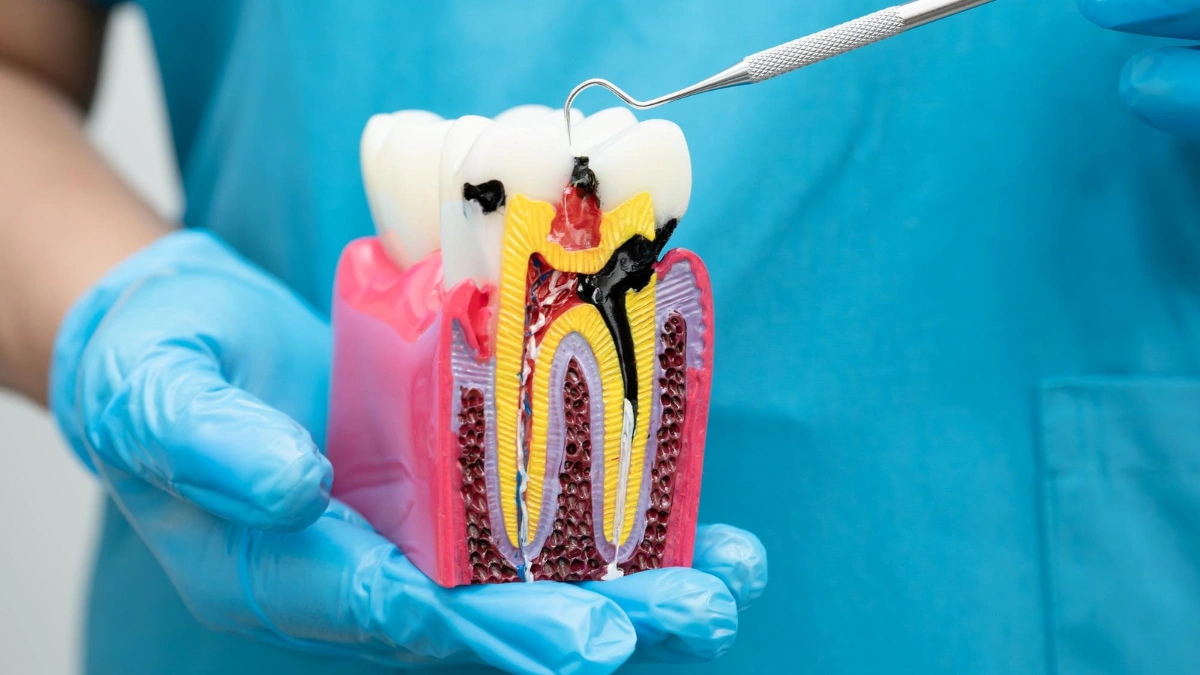
Most folks get uneasy hearing “root canal,” yet this routine dental work aims to stop pain and rescue a badly infected or rotted tooth. Deep inside, the process means taking out the injured part of the tooth - its pulp - then scrubbing, sanitizing, followed by packing and closing it tight. Noticing what your body hints at might decide whether you keep your real smile or face a tougher removal later.
Persistent Pain and Sensitivity
Discomfort lingering longer than expected usually signals the need for a root canal. Not a brief twinge, but something persistent- often pulsing deeply, spreading toward the jaw or nearby teeth.
Pressure tends to make the pain worse - biting or chewing often brings it on sharply. When heat or cold lingers too long, that’s typically a sign things have shifted beneath the surface. Finishing a warm drink or icy treat and still feeling ache seconds later hints at nerve trouble within the tooth. Minutes of continued reaction point toward harm already underway inside.
Changes Seen in Gums and Teeth
Most infections start unseen, yet signs show up early in the mouth. Look closely at how your gums look, since changes can signal trouble below. The way a tooth appears might also hint at deeper issues forming slowly underneath.
-
Puffiness and Tenderness: Bumps along the gums might feel soft when pressed. Near the hurting tooth, puffiness can appear now and then—lasting a short time before fading away.
-
A "Pimple" on the Gums: A swelling resembling a pimple may show up near the gums. Often, it signals trapped infection seeking escape. Known medically as a fistula or abscess, such spot forms when pus finds its way out. Pressure builds beneath until drainage occurs through soft tissue. Appearance alone can hint at deeper dental trouble. Infection origin usually lies inside the tooth root.
-
Tooth Discoloration: A shift in tooth shade may point to an inner infection, often showing up as a grayish-black or deep yellow tint. When the pulp loses its blood flow, discoloration follows. Not every darkened tooth hurts—sometimes it's silent. The damage beneath disrupts normal tissue function, leading to visible changes. Color alone won’t confirm infection, yet it raises concern. Blood circulation failure inside the structure explains much of the darkening effect.
Hidden Symptoms and Structural Problems
Occasionally, symptoms reflect not visible discomfort but instead hint at underlying damage within the tooth itself or quiet changes across body systems.
Broken or Damaged Teeth
When a tooth suffers physical harm—say, from a fall or biting down on something tough—the soft core inside might get uncovered. Though it may not ache at first, a tiny split could let germs in slowly. Over days or weeks, that small opening sometimes turns into a deeper problem beneath the surface. To stop damage from moving further into the root, treatment focusing on the pulp area tends to be needed. Without care, what seems minor early on can grow worse.
Looseness or Mobility
A single tooth might begin to shift when an infection takes hold beneath it. As tissue deteriorates, the anchor keeping it firm starts to give way. Instead of feeling solid, movement increases unexpectedly during chewing or speaking. Because changes like these signal deeper issues below the gumline, a dentist should check it without delay.
The "Disappearing" Pain
A sudden stop in intense tooth pain can be misleading. Though discomfort fades, the cause may not vanish. Instead, nerve tissue within the tooth could now be dead. Infection remains active beneath the surface. Without care, it moves outward, affecting nearby bone and soft areas around the tooth.
Early Help Makes a Difference
Should these signs show up, putting off a dentist visit might result in worse health outcomes. A tooth infection left alone could turn into widespread abscesses that impact general health. Getting a root canal today often feels much like receiving a regular filling, thanks to accurate instruments and better anesthesia methods. Acting quickly when symptoms appear helps stop the spread of infection while keeping your original tooth working properly over time. Though small at first, such steps make a lasting difference in how well your mouth functions later.
Conclusion
Pain relief often begins with addressing what lies beneath the surface. When discomfort lingers beyond a few days, it might signal more than just fleeting irritation. Our team at Narayani Dental Clinic looks closely, distinguishing minor reactions from serious damage. Care moves forward only after clarity emerges. Precision guides every move we make, aiming to preserve what is still sound. Comfort shapes the experience—positioning, pacing, quiet attention. Each detail supports calm, steady progress. Healing takes time, yet starting wisely makes all the difference.