
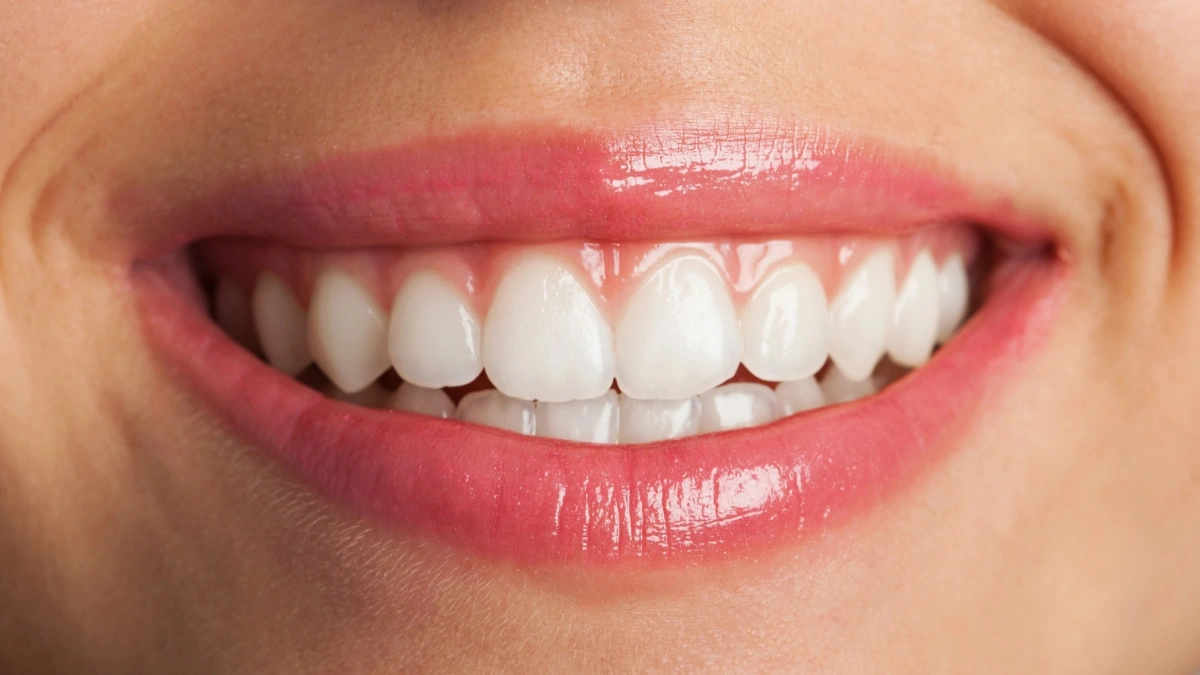
Professional Teeth Bleaching vs Home Whitening Methods
A bright smile tops the list of sought after dental fixes across the globe. Into 2026, more people seek lighter teeth, nudged by what they see online and sharper tools in dentistry. Yet clinic visits differ sharply from store bought trays found down the oral care aisle. One might rely on strong gels under supervision, another on gradual wear with weaker formulas at home. Coffee, wine, years passing - these leave marks, but how each method tackles them isn’t the same. Safety matters just as much as shade change when it comes to protecting tooth surface.
The Power of Professional Teeth Bleaching
At the clinic, experts handle strong whitening formulas under careful conditions. Hydrogen peroxide or carbamide peroxide - much more intense than store versions - are common tools here. Since they’re potent, gum protection comes first: either a soothing gel or a rubber barrier goes on before anything else. Fast change stands out most when you go pro. In just sixty minutes, smiles often jump multiple levels lighter - a solid pick if something big is coming up.
home whitening methods explored
Teeth brightening at home has grown - options like strips, gels, custom trays, even gadgets with LED lights. Slower outcomes come from milder formulas, meant to be gentler when used alone. A visible change usually needs consistent use over three weeks, sometimes stretching beyond that. Cheaper and easier to fit into life, yes, yet the effect tends to lack intensity or smooth consistency compared to clinic visits. Guidance missing opens room for error: too much time, wrong placement, leading to sore gums or nerves reacting badly.
The Link Between Body Health and Mouth Moisture
Your smile's response to whitening ties closely to how balanced your whole body feels. After bleach touches enamel, spit steps in - calming acid spikes while helping minerals settle back in. How much you produce and how strong it is hinges on water inside you plus the minerals floating around, both handled quietly by your kidneys. If age skews young or medical paths have twists, chatting with a specialist who knows kids' kidney flow may uncover hidden links to mouth moisture. When inner systems hum smoothly, teeth shrug off post-treatment twinges faster.
Skin Sensitivity and Sensory Responses
Sometimes bleach meant for whitening teeth touches the lips or nearby skin, causing brief irritation or red tones. When sensitivity runs high - say, due to eczema or delicate skin - the response might intensify. Talking through ways to shield your skin could ease such surface issues, offering tips on what kind of guard works best while lightening enamel. Shielding both outer skin and inner mouth keeps raw feelings away, so focus stays on brightness instead of stinging spots near the grin.
Keeping Results Over Time
Whitening never sticks around forever, though dentist-led bleaching tends to outlast store bought options. Most people see results hold strong between one and three years, give or take, based on daily habits. Store versions often need refreshing several times a year just to stay even. Skip anything deeply pigmented right after the procedure - teeth soak up color more easily during the first two days because tiny openings in the surface stay wide open. That window matters if you want things to last.
Safety And Tooth Enamel Care
Worry about safety first if you’re thinking of changing how your smile looks. A dentist will look closely at your teeth before treatment, just to make sure there are no hidden holes or problems with your gums - bleach might make those worse. Store bought kits skip this step entirely, so groups like dentists often say get an exam before using anything that claims to whiten. Too much whitening? That can leave teeth looking see-through or dull gray, even damage the hard outer layer for good. Seeing someone trained means adjustments fit what your mouth actually needs, especially if things tend to hurt when cold or hot.
Conclusion
Picking one option over another comes down to money, how fast you want changes, and what your body responds well to. When sensitivity matters, guarding delicate areas makes sense - just like keeping fluids balanced inside helps healing happen smoothly. Instead of rushing into clinic visits, think about how often you’ll actually stick with treatments at home. A glowing look does not require extreme steps if safety stays front of mind. For answers that fit only you, start by sharing goals with someone trained in tooth care who listens first.