
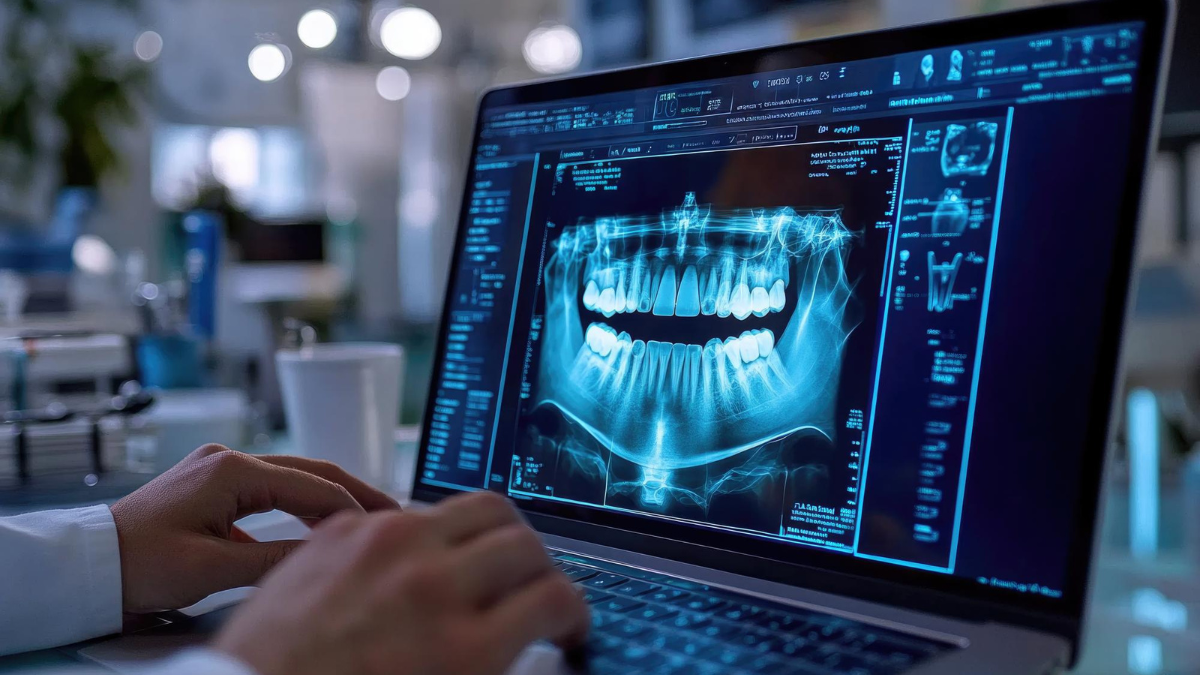
How Digital Dentistry Improves Accuracy and Comfort
Most people once faced the unknown at the start of an appointment. Lying there, jaw held wide, they waited as goopy moulds settled over each tooth. Time slowed with every second passing under bright lights. Unease crept in around the edges. Through it all remained a quiet belief: maybe the results would match what was needed without repeats.
Dentistry looks different now than it did back then.
Most clinics today use technology that reshapes the patient experience right from the first visit. Instead of relying heavily on estimation, professionals turn toward digital displays. Where messy impressions once felt unavoidable, compact scanning devices now step in. Treatment planning grows clearer through sharper imaging and improved detail. Even with advanced tools in place, the purpose stays simple: improving accuracy while making care easier for the person receiving it.
What Digital Dentistry Really Is
At its core, digital dentistry involves using software driven tools to diagnose concerns, design treatments, and carry out procedures with greater precision than before.
Rather than depending only on physical moulds, manual measurements, or traditional imaging, digital systems offer clearer visual information. Through scanners, three dimensional imaging, and computer guided models, dental professionals gain a fuller picture before treatment even begins.
Though it sounds technical, the shift often feels surprisingly simple from a patient’s perspective. Visits may feel smoother. Waiting times sometimes shorten. Procedures that once carried uncertainty begin to follow a clearer plan.
Much of the change happens quietly in the background, unnoticed during everyday appointments.
Improved Imaging Leads to Greater Accuracy
Many dental concerns stay hidden beneath the surface.
Minor cracks, hidden cavities, gum problems, jaw alignment concerns, or subtle bone loss may not always appear clearly through traditional methods alone. Digital imaging changes how much detail becomes visible.
Three dimensional scans create clearer views beneath the gums and around surrounding structures. Instead of relying only on flat images, dentists gain a better understanding of spacing, nerve placement, bone levels, and tooth positioning.
This becomes especially important during procedures involving implants, root canal planning, bite correction, or advanced restorative care. When planning improves early, unexpected complications often decrease later.
Long before treatment starts, accuracy has already begun taking shape.
Digital Scanners Replace Traditional Impressions
Few people miss conventional dental moulds.
The thick material used during impressions often caused discomfort, gagging, or restlessness. While some tolerated the process, many found it unpleasant enough to dread appointments altogether.
Digital scanners offer something different.
A small handheld scanner moves gently around the mouth, capturing countless detailed images within minutes. No heavy trays. No sticky material pressing against teeth. From those scans, an accurate digital replica forms quickly.
For many people, the process feels easier simply because things stay cleaner, quicker, and far less uncomfortable.
Errors may decrease too. When something appears incomplete, adjustments happen immediately rather than repeating the entire impression from the beginning.
Better Planning Often Means Better Fit
Dental restorations rely heavily on precision.
Crowns, bridges, aligners, veneers, and implants work best when their dimensions closely match neighbouring teeth. Even slight differences in shape may influence comfort, chewing ability, or appearance.
Digital systems help dentists create restorations with levels of detail that older methods often struggled to achieve.
Because measurements become more exact, restorations frequently fit more naturally once placed. Fewer modifications may be required afterward. In some cases, visits shorten simply because less trial and error happens throughout the process.
Comfort often improves when the fit feels right from the start.
Less Guesswork During Procedures
Technology also strengthens confidence during treatment planning.
Take implant placement, for example. Detailed scans allow clearer views of nearby bone and nerve pathways before work begins. In orthodontic care, digital models help predict how teeth may shift over time. Smile planning can even provide previews of possible results before treatment starts.
Instead of depending heavily on estimation, digital systems offer a more structured path forward.
Clarity tends to reduce uncertainty for both dentist and patient alike.
Comfort Improves in Small Yet Meaningful Ways
Sometimes comfort appears in unexpected ways.
Appointments may feel less stressful because procedures run more smoothly. Better planning early on can reduce repeat visits. Waiting for adjustments or corrections may become less common.
Clear explanations often ease nervousness too.
Digital visuals allow patients to see concerns directly on screen rather than trying to imagine what someone describes verbally. Understanding tends to grow when details become visible.
Often, seeing brings reassurance in ways words alone cannot.
Small improvements quietly reshape the overall experience.
Digital Dentistry Still Depends on Skilled Hands
Even when technology grows smarter, human judgment continues to matter most.
Scanners and imaging systems may offer sharper details, yet interpretation still depends on training and experience. Technology helps guide decisions, though professional understanding shapes how information gets used.
Digital tools strengthen expertise rather than replace it.
Accuracy reaches its highest point when skilled hands and advanced systems work together.
Conclusion
Most people do not find dental care stressful because of one single reason. More often, discomfort builds through uncertainty, repeated appointments, awkward procedures, or worries about something going wrong.
Digital dentistry quietly changes much of that.
Better planning, sharper scans, smoother impressions, and more accurate fittings often make treatment feel easier than expected. Though no system removes every challenge completely, improvements in precision frequently lead to greater comfort throughout the process.